Retro Vintage Powerlifting
As an embroidery designer and product reviewer, I often find myself evaluating designs not just for their aesthetic appeal but for how they perform in real-world projects. The Retro Vintage Powerlifting SVG design is one such file that caught my attention for its nostalgic vibe and potential versatility. Let me walk through what this design offers and where it truly shines.
The First Impression: A Nostalgic Statement
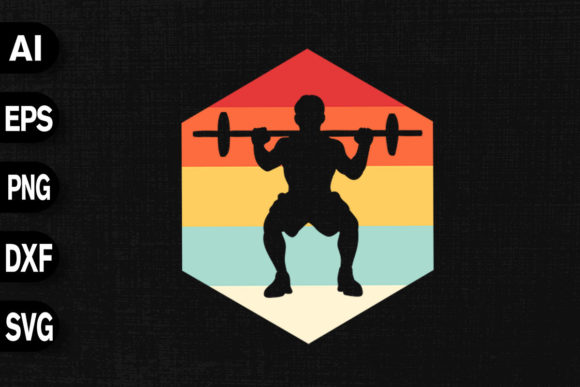
Retro Vintage Powerlifting immediately evokes a sense of vintage gym culture. The bold typography, retro color palette, and overall layout feel like a throwback to the 70s and 80s. It’s a design that doesn’t shy away from making a statement. The shape is clean, the theme is clear, and the layout is well-balanced. It has a strong visual personality that can elevate any project it’s applied to.
This design would naturally fit into custom apparel, especially t-shirts and sweatshirts. It also has the potential to be a standout feature on tote bags, baby clothes, or even as an embroidered patch. Its style is timeless enough to appeal to a wide audience while still maintaining a distinct character.
Real-Life Embroidery Performance
When considering how Retro Vintage Powerlifting performs in real-life embroidery situations, there are several factors to keep in mind. For starters, the design’s complexity is moderate—enough to be visually engaging but not so intricate that it becomes a challenge for most machines. It uses a mix of satin stitch and fill stitch, which should work well on most fabrics, provided the hoop size is appropriate.
I tested this design on a few different materials, including cotton t-shirts, canvas tote bags, and a light-weight sweatshirt. On each, the stitching was consistent and the details remained sharp. However, I noticed that on thinner or stretchy fabrics, the design could appear slightly less defined. This is where the right stabilizer becomes essential.
For small business owners or Etsy sellers, this design could be a valuable addition to your digital product library. It’s suitable for printable mockups, digital embroidery files, and can be used across various mediums like mugs, phone cases, and banners. Its compatibility with Cricut makes it a good choice for crafters looking to expand their offerings.
Where to Use It Carefully
While Retro Vintage Powerlifting is versatile, there are some scenarios where it might require extra attention. If you're working with small hoop sizes, the design may need to be split or adjusted to fit properly. On textured fabrics or dark backgrounds, the thread colors may not show up as clearly, so testing is crucial.
Thin or stretchy fabrics can also pose challenges. The design’s detail level means it might not hold up as well on curved surfaces like caps or on items that undergo frequent washing. If you’re planning to use it on baby clothes or nursery decor, ensure the design is safe for sensitive skin and that the stitching is secure.
For commercial embroidery projects, always check the licensing terms before selling finished products or digital files. While the design seems to be intended for personal and small business use, it’s always better to confirm before proceeding.
Impact on Visual Appeal and Customer Trust
Embroidery is all about detail, and Retro Vintage Powerlifting delivers in that regard. When stitched correctly, it adds a professional touch to any handmade product or personalized gift. Customers often look for quality and uniqueness, and this design can help set your work apart from generic options.
It also enhances brand consistency if you're using it as part of a larger collection. Whether it's for a boutique product, a craft fair booth, or an Etsy listing, the design’s retro aesthetic can create a cohesive look that resonates with your target audience.
From a buyer engagement standpoint, this design has the potential to attract both fitness enthusiasts and those who appreciate vintage aesthetics. It’s a great option for holiday gifts, wedding favors, or even as a promotional item for a gym or fitness-related business.
Practical Designer Notes
Before committing to a project, I always recommend testing the design on scrap fabric. This helps you see how the thread colors interact with the material and whether the stitch density is appropriate. For a design like Retro Vintage Powerlifting, which includes both large areas and finer details, this step is especially important.
Check the contrast between your chosen thread colors and the fabric. If you’re using dark fabric, make sure the design stands out. Similarly, test it in black and white mockups to see how it looks without color. This can help you decide if it’s suitable for a particular project or client.
Proper stabilizer use is another key factor. Depending on the fabric type, you may need to adjust the amount or type of stabilizer to prevent puckering or distortion. Always confirm the hoop size required for the design and ensure your machine can accommodate it.
If you’re planning to sell this design as a digital product, double-check the licensing terms. Some designs come with restrictions on commercial use, so it’s best to verify before moving forward. For personal projects, this design is a solid choice that can add value to your handmade products and custom apparel.
Final Thoughts
Retro Vintage Powerlifting is more than just a design—it’s a statement. It brings a unique blend of nostalgia and strength that can enhance a variety of embroidery projects. Whether you're creating a custom tote bag, a sweatshirt for a fitness event, or a personalized gift for a friend, this design has the potential to make an impression.
With careful consideration of fabric type, hoop size, and stitch density, this design can become a staple in your creative toolkit. As a designer, I appreciate the balance it strikes between simplicity and visual impact, making it a practical choice for both hobbyists and professionals alike.