Retro Vintage Fencing
As an embroidery designer and product reviewer, I often find myself evaluating designs that promise a nostalgic aesthetic but may fall short in practical application. Retro Vintage Fencing is one such design that immediately catches the eye with its classic, weathered look. It’s the kind of design that feels like it belongs on a vintage t-shirt or a hand-stitched patch, evoking a sense of timeless charm.
The First Impression: A Nostalgic Visual Statement
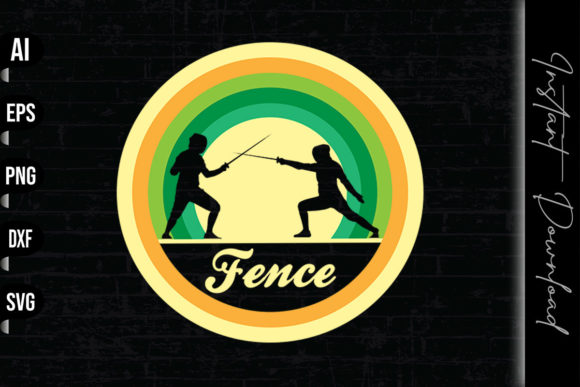
Retro Vintage Fencing has a distinct visual personality. The design features a bold, outlined fence pattern with subtle texture and shading, giving it a hand-drawn, aged feel. It’s not overly complex, but the details are there—enough to add character without overwhelming the viewer. The layout is clean and structured, making it ideal for projects that require a strong, recognizable motif.
This design works best on larger surfaces where the detail can shine. It’s perfect for custom apparel, especially when paired with a minimalist color palette. The shape and theme suggest a rustic or country-inspired aesthetic, which makes it a natural fit for baby items, holiday gifts, or personalized home decor.
Real-Life Embroidery Use Cases
When considering Retro Vintage Fencing for real-world use, I think about how it would translate to different materials and applications. For example, if I were creating a custom embroidered tote bag, this design would stand out as a unique, eye-catching element. The fence pattern could be used as a central motif, adding a touch of personality to a simple canvas bag.
On a sweatshirt or hoodie, the design would work well as a chest or back graphic. The stitch density is moderate, so it should hold up on medium-weight fabrics. However, I’d recommend testing it on scrap fabric first to ensure the stitching looks consistent and doesn’t cause puckering or distortion.
For baby items, like onesies or blankets, the design could be a great addition. The simplicity of the fence pattern ensures it remains child-friendly while still offering a stylish, handmade touch. But I’d avoid using it on thin or stretchy fabrics, as the stitches might not lay flat or could stretch out over time.
Where to Be Careful: Design Limitations
While Retro Vintage Fencing is versatile, there are some limitations to consider. On small hoop sizes, the design may require splitting into sections, which can complicate the embroidery process. If you're working on a cap or a curved surface, the corners of the fence could become distorted unless the design is properly adjusted for those shapes.
On dark fabrics, the contrast between the design and the background may be less noticeable. I’d recommend using a contrasting thread color or adjusting the design’s fill to ensure visibility. Similarly, on textured or stretchy fabrics, the stitches may not sit as smoothly, so a good stabilizer is essential.
Dense stitch areas or intricate details, like tiny lettering, could be problematic if the design isn’t optimized for machine embroidery. I’d advise checking the stitch density and ensuring the design is suitable for your specific embroidery machine and hoop size.
Impact on Visual Appeal and Product Value
Retro Vintage Fencing adds a unique visual appeal that can elevate any handmade product. Its retro aesthetic is instantly recognizable and can help differentiate your offerings in a crowded market. When used on a custom apparel item or a personalized gift, it can significantly boost the perceived value of the finished product.
From a customer perspective, this design feels authentic and well-crafted. It’s the kind of detail that makes a handmade product feel special. Whether it's a tote bag for a local shop or a custom gift for a friend, the design contributes to a more professional and cohesive brand image.
For Etsy sellers or craft business owners, Retro Vintage Fencing offers a reliable design asset that can be used across multiple products. It’s also a great option for printable mockups or digital product previews, allowing you to showcase the design in different contexts before committing to production.
Practical Designer Notes
Before using Retro Vintage Fencing in any project, I always recommend testing it on scrap fabric. This helps you see how the stitches will look on your chosen material and whether any adjustments are needed. Checking thread color contrast is also important—especially if you’re using the design on dark or light backgrounds.
Reviewing the stitch density is another key step. If the design is too dense, it may cause the fabric to pucker or the stitches to become too stiff. Confirming the hoop size is also essential, as some designs may need to be split for smaller hoops.
Inspecting small details, like the corners of the fence, can make a big difference in the final result. Testing the design in black and white mockups helps you see how it will look on different fabrics and backgrounds. Using the right stabilizer is crucial, especially for delicate or stretchy materials.
If you're planning to sell finished items or digital products featuring Retro Vintage Fencing, be sure to confirm the licensing terms. While the design appears to be suitable for both personal and commercial use, it’s always wise to double-check the specifics.
Final Thoughts: A Timeless Design with Practical Potential
Retro Vintage Fencing is a design that blends nostalgia with practicality. It’s not overly complicated, but it has enough character to make a statement. Whether you’re an embroidery designer, a small business owner, or a hobbyist, this design offers a range of possibilities for custom apparel, handmade gifts, and commercial projects.
With careful consideration and proper preparation, Retro Vintage Fencing can be a valuable addition to your design library. It’s a great choice for anyone looking to add a touch of vintage charm to their work while maintaining a professional and polished finish.