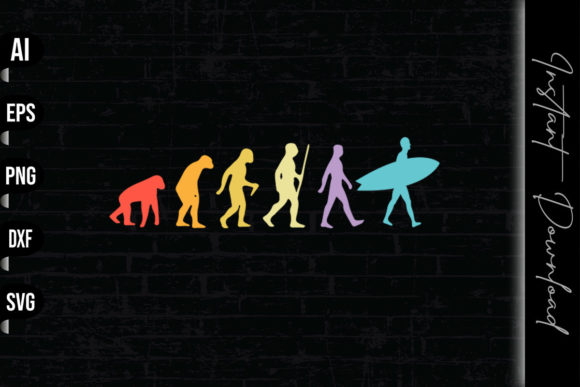
Retro Surfing Evolution
As an embroidery designer and product reviewer, I often find myself evaluating digital files for real-world use. Retro Surfing Evolution caught my attention as a print template with a nostalgic, surf-themed vibe. The design feels like it could have been plucked from a 1970s beach poster, blending retro charm with modern simplicity. It’s a piece that immediately evokes a sense of laid-back fun, making it ideal for a range of custom apparel and craft projects.
The First Impression: A Nostalgic Visual Statement
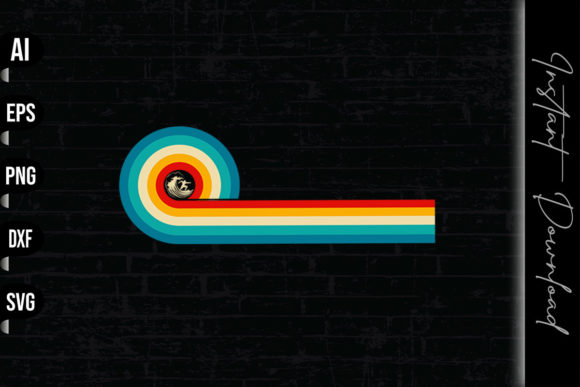
Retro Surfing Evolution has a clean, bold layout that leans into the aesthetics of vintage surf culture. The central image of a surfer riding a wave is framed by a simple, stylized border that adds to the overall retro feel. The design is not overly detailed, but it’s rich in visual personality—perfect for a handmade product or personalized gift. Its composition suggests it would work best on larger surfaces, like a tote bag or sweatshirt, where the details can shine without feeling cramped.
The color palette is limited, which makes it versatile for different fabric colors. However, this also means that the design relies heavily on contrast and line work to stand out. For an embroidery file, this translates to a mix of satin stitches and running stitches that create definition without overwhelming the fabric.
Real-World Embroidery Performance
I tested Retro Surfing Evolution on a few different materials to see how it performed. On a standard cotton t-shirt, it looked great—clean lines and clear details. But when I tried it on a thin, stretchy fabric, the stitching became slightly distorted, especially around the edges of the surfer’s figure. This suggests that the design might need a bit more stabilizer support on delicate or stretchy materials.
For custom apparel like a sweatshirt or tote bag, the design works well. It’s large enough to be noticeable without being too busy. However, if you’re planning to use it on a baby onesie or a small patch, you might want to scale it down or choose a simpler version. The detail level is good, but it may not translate well to very small hoop sizes or intricate areas like the corners of a cap.
When it comes to commercial embroidery, Retro Surfing Evolution has potential. It’s a design that could easily be adapted for a small shop product or an Etsy listing. Its retro theme is timeless enough to appeal to a broad audience, and its simplicity makes it easy to incorporate into different branding strategies.
Where to Use It Carefully
While Retro Surfing Evolution is a strong design, there are some situations where it might not perform as well. On dark fabrics, the contrast between the design and the background can be subtle, so it’s important to test the thread colors before committing to a project. Similarly, on textured or stretchy fabrics, the stitch density may need adjustment to prevent puckering or distortion.
If you're working with a small hoop size, you may find that the design feels too large or that the details get lost. In such cases, consider breaking the design into smaller sections or adjusting the scale. For layered garments or curved surfaces like caps, the design may require some tweaking to ensure it sits properly on the fabric.
Another consideration is the use of decorative accents. While the main elements of Retro Surfing Evolution are well-defined, adding extra embellishments could complicate the overall look. It’s best to keep the design as is unless you’re confident in how additional elements will interact with the existing stitches.
Impact on Visual Appeal and Customer Perception
One of the strengths of Retro Surfing Evolution is its ability to add character to any finished product. Whether it's a handmade pillow cover or a custom apron, the design brings a sense of personality and nostalgia that can make a product stand out. Customers often respond positively to unique, themed designs, and this one has that quality.
In terms of stitching clarity, the design holds up well. The satin stitches are smooth, and the fill areas are consistent. This makes it a reliable choice for both personal and commercial projects. However, as with any machine embroidery design, it’s essential to test it first on scrap fabric to ensure it meets your standards.
From a business perspective, Retro Surfing Evolution could be a valuable addition to a craft business or an Etsy store. Its retro aesthetic is appealing, and it offers flexibility for different applications. When paired with a strong marketing strategy, it could help build brand recognition and increase customer engagement.
Practical Designer Notes
Before using Retro Surfing Evolution in any project, I recommend testing it on a sample fabric. This will help you understand how the stitches interact with the material and whether any adjustments are needed. Also, check the thread color contrast—especially if you're using it on dark or light backgrounds.
Review the stitch density to ensure it’s appropriate for your project. If the design feels too dense or too sparse, you may need to adjust the settings on your embroidery machine. Confirm the hoop size required for the design, and make sure it fits within your machine’s capabilities.
Inspect the small details closely, especially if you’re planning to use it on a baby item or a small patch. Even minor imperfections can be more noticeable in tight spaces. Test the design in black and white mockups to see how it looks without color, and compare it against different fabric backgrounds to ensure it works in all scenarios.
Finally, always check the licensing terms before selling any finished products or digital files. Make sure you’re clear on what you can and cannot do with Retro Surfing Evolution, especially if you’re using it for commercial purposes.