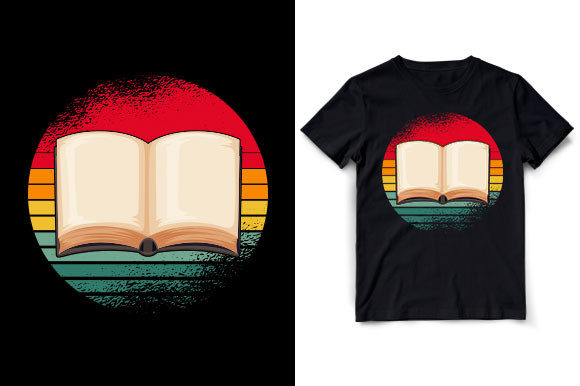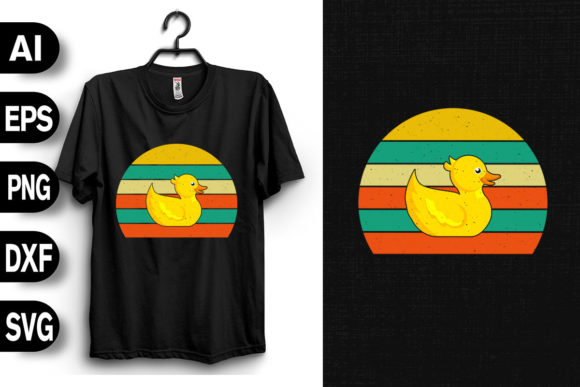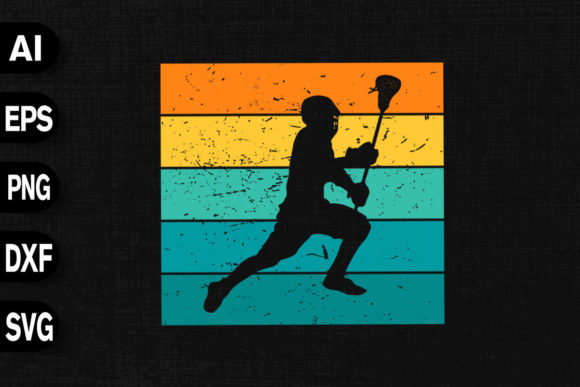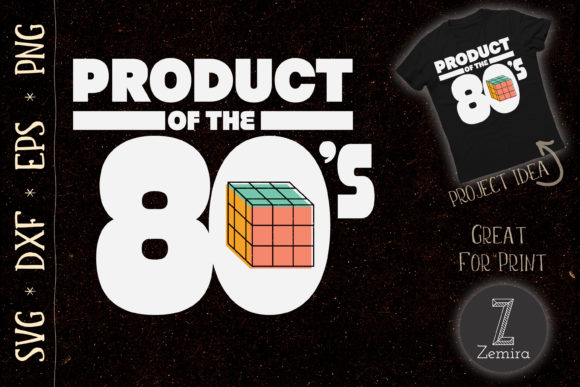
Product of the 80s Retro
As a designer and embroidery product reviewer, I’ve seen my fair share of digital files that promise a lot but deliver little. Product of the 80s Retro is one that caught my eye not just for its nostalgic aesthetic, but for how it could translate into real-world embroidery projects. Let’s break down what this design offers and how it might fit into your creative workflow.
The First Impression
Product of the 80s Retro immediately evokes a sense of retro coolness. The design feels like it was pulled from a vintage poster or a classic album cover. It has a bold, graphic style with clean lines and a playful yet sophisticated layout. The visual personality leans into the neon, geometric, and pop-art vibes of the 1980s, making it perfect for a range of applications—from custom apparel to handmade gifts.
The shape and theme are versatile enough to work on t-shirts, tote bags, and even baby items. It doesn’t feel too busy, which is a big plus when considering how well it will translate into machine embroidery. The level of detail is just right, offering enough character without overwhelming the stitch count or fabric.
Real-Life Embroidery Use Cases
When I think about where Product of the 80s Retro would shine, I imagine it on a custom embroidered tote bag or a sweatshirt. The design’s size and structure make it ideal for these types of projects, where the focus is on visibility and impact. It also works well as an embroidered patch or a cap logo, adding a touch of retro flair to any garment.
For small business owners and Etsy sellers, this design could be a strong addition to a collection of personalized gifts or boutique merchandise. It’s the kind of design that could easily be adapted into a printable mockup, helping customers visualize how it would look on their chosen item. Whether you’re creating a holiday gift, a wedding present, or a piece for a craft fair, Product of the 80s Retro has the potential to stand out.
Where to Be Careful
While Product of the 80s Retro is a solid design, there are some situations where it might not perform as well. If you're working with small hoop sizes, the design could be challenging to stitch without repositioning. Similarly, on textured fabrics or thin, stretchy materials, the details might not come through as clearly as they should.
Dark fabrics may require careful consideration of thread color contrast. If the design elements aren’t bold enough, they could get lost against a dark background. Also, if you’re planning to use this on a layered garment or a curved surface like a cap, you’ll want to test it first to ensure the stitches lie flat and don’t pucker.
Visual Appeal and Stitching Clarity
One of the key factors in any embroidery project is how the design looks after stitching. Product of the 80s Retro maintains its visual appeal well, especially when stitched with the right technique. The use of satin stitch and fill stitch helps bring out the design’s boldness, while running stitch can add a subtle texture if desired.
Stitch density is another important factor. This design isn’t overly dense, which means it should work well on most fabrics without causing puckering or distortion. However, it’s always a good idea to test it on scrap fabric before committing to a final project. This way, you can see how the stitches interact with the material and adjust your settings accordingly.
Impact on Product Value and Customer Trust
When it comes to selling finished products, the quality of the design plays a big role in customer trust. A well-crafted machine embroidery design like Product of the 80s Retro can elevate the perceived value of your handmade product or small shop merchandise. Customers are more likely to buy something that looks professional and well-designed, especially if it’s a personalized gift or a custom apparel item.
From a branding perspective, this design can help maintain consistency across your product line. Whether you’re creating a holiday gift, a boutique product, or a commercial embroidery project, having a cohesive visual identity is essential. Product of the 80s Retro fits well into that framework, offering a recognizable and appealing aesthetic.
Practical Designer Notes
Before using Product of the 80s Retro in your next project, here are a few things to keep in mind:
- Test on scrap fabric: Always try the design on a sample piece of the fabric you plan to use. This helps identify any issues with stitch density, stabilizer needs, or thread color contrast.
- Check thread colors: Make sure the thread you choose complements the design and stands out against the fabric. For dark backgrounds, consider using a contrasting color to ensure visibility.
- Review stitch density: Ensure the design isn’t too dense for your machine. If needed, adjust the settings to prevent puckering or distortion.
- Confirm hoop size: If the design is large, check if your hoop can accommodate it. Otherwise, you may need to split the design or use a larger hoop.
- Inspect small details: Pay attention to corners, edges, and any intricate parts of the design. These areas can sometimes be tricky to stitch correctly.
- Test black and white mockups: Seeing the design in different color schemes helps you understand how it will look on various fabrics and backgrounds.
- Use proper stabilizer: Stabilizer is crucial for ensuring the design stays in place during stitching, especially on stretchy or delicate fabrics.
- Check licensing: If you plan to sell finished items or digital products, confirm the licensing terms to avoid any legal issues.
Final Thoughts
Product of the 80s Retro is a design that offers both style and versatility. It’s well-suited for a variety of embroidery projects, from custom apparel to handmade gifts. While it requires some care in execution, the end result can be a high-quality, visually appealing finished product that resonates with customers.
For embroidery designers, crafters, and small business owners, this design is worth considering—especially if you’re looking to add a retro touch to your product line. With the right approach, Product of the 80s Retro can become a valuable asset in your creative toolkit.